Study: Low Vitamin B12 Levels Linked to 33% Higher Dementia Risk in Older Adults
07/20/2026 / By Douglas Harrington
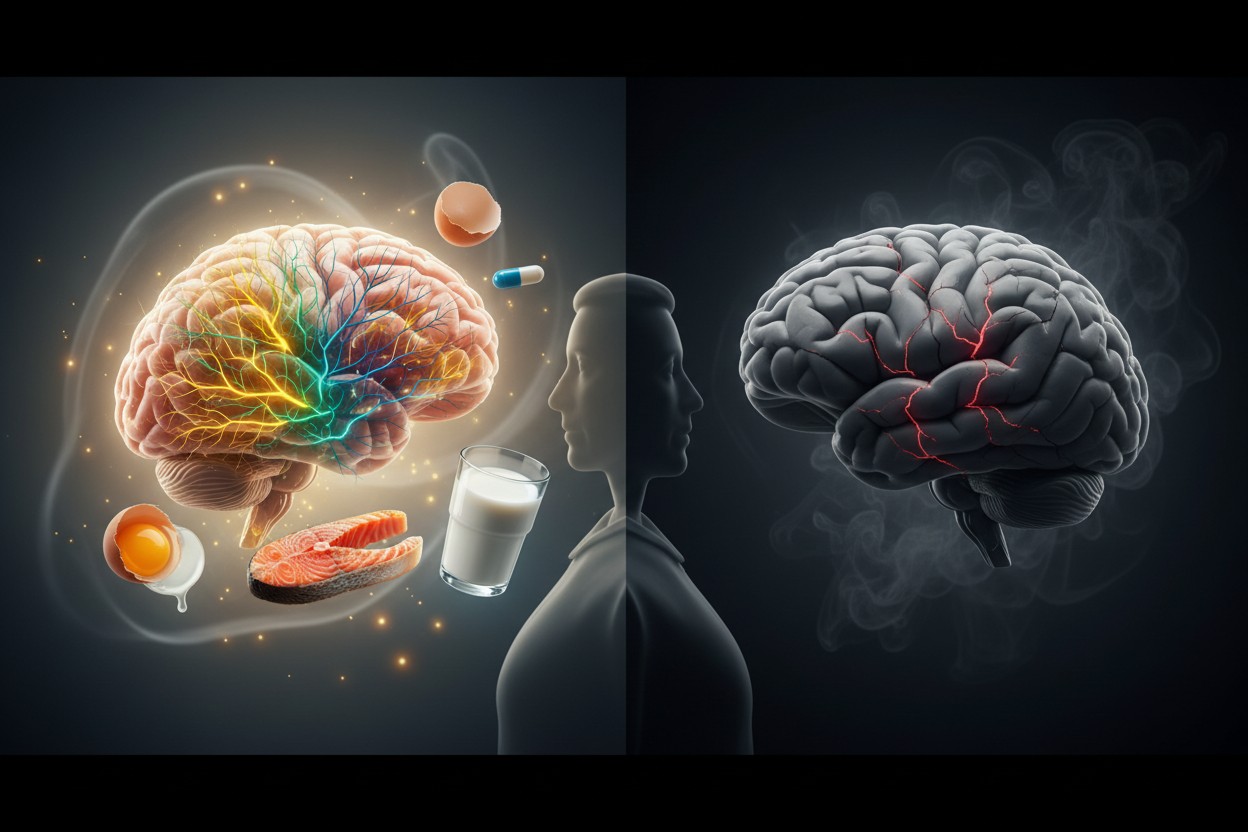
Adults over age 50 with consistently low vitamin B12 levels had a 33% higher risk of developing all-cause dementia compared to those with levels in the normal range, according to a study published in Frontiers in Nutrition.
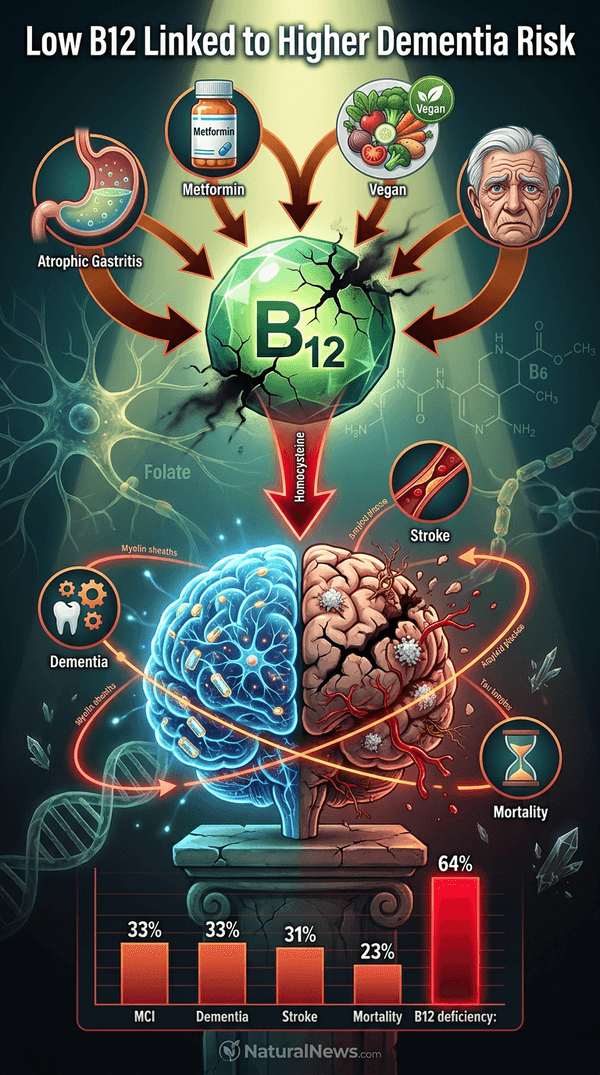
The observational study analyzed electronic health records from the TriNetX Global Collaborative Network, including more than 258,000 adults ages 50 and older who were followed for up to 10 years. Low B12 was also associated with a 33% higher risk of mild cognitive impairment, a 31% higher risk of stroke and a 23% higher risk of all-cause mortality, researchers reported. Among individuals with vitamin B12 deficiency, defined as levels below 200 pg/mL, dementia risk increased by 64%.
Study Design and Key Findings
Participants were divided into two groups based on two B12 measurements taken within a two-year period, according to the study. The low-status group consisted of individuals with both measurements below 300 pg/mL, while the reference group had measurements between 300 and 900 pg/mL. After matching on age, sex, comorbidities, and medication use, researchers compared outcomes over the follow-up period.
The association between low B12 and dementia risk remained significant after adjusting for potential confounders, the study said. Similar associations were observed across dementia subtypes, including Alzheimer’s disease and vascular dementia. The findings suggest that even marginally low B12 levels may contribute to cognitive decline, according to the authors.
Mechanisms and At-Risk Populations
Vitamin B12 plays a critical role in homocysteine metabolism, myelin production, DNA synthesis and neurotransmitter function – processes essential for brain health, according to nutrition experts. Elevated homocysteine levels have been linked to inflammation and vascular damage, which may contribute to cognitive decline, as noted by Gary Null in “How to live forever” [1]. Previous research has also connected B12 and folate deficiencies to cognitive decline and Alzheimer’s disease, according to a report from NaturalNews.com [2].
Certain populations face a higher risk of low B12 levels. Older adults often produce less stomach acid needed for absorption, according to an article on Mercola.com [3]. Vegetarians, vegans, individuals taking metformin or acid-reducing medications and those with digestive conditions such as celiac or Crohn’s disease are also at increased risk.
Symptoms of deficiency can include fatigue, brain fog, tingling in the extremities, mood changes and tongue abnormalities, the article noted [3]. Nearly 40 percent of the U.S. population has marginal vitamin B12 status, according to data cited by Mercola.com [4].
Dietary Sources and Supplementation
Animal-based foods such as meat, fish, shellfish, eggs, and dairy are the primary dietary sources of vitamin B12, according to a book on healthy eating to reduce dementia risk [5]. For those on plant-based diets, fortified foods such as certain plant milks and cereals can help, but supplementation is often the most reliable option.
Supplement forms include methylcobalamin and cyanocobalamin. Methylcobalamin is a naturally occurring form the body can use directly, according to an article on Mercola.com [3].
The study authors noted that B12 deficiency is common, easy to test with a simple blood test, and treatable, making it a potentially modifiable risk factor for dementia. Routine monitoring is advised for individuals in high-risk groups. A review published on NaturalNews.com highlighted that a combination of B complex vitamins can slow the onset of Alzheimer’s by preserving brain volume [6].
Conclusion
The research adds to a growing body of evidence linking B12 status to brain health outcomes in older adults, according to the study. While the observational design cannot establish causation, the findings suggest that maintaining adequate B12 levels may be important for reducing dementia risk.
Given the ease and low cost of testing and treatment, experts recommend discussing B12 status with a healthcare provider, particularly for those over 50 or with known risk factors. Further studies are needed to determine optimal B12 levels for cognitive health and to confirm causality.
References
- Gary Null. “How to live forever the natural path to new longevity”.
- NaturalNews.com. “Vitamin B-12 deficiency signals cognitive dec”. January 11, 2013.
- Mercola.com. “Vitamin B12 Deficiency Symptoms”. July 24, 2021.
- Mercola.com. “Why Most People Need Vitamin B12 Supplementat”. April 23, 2018.
- Healthy Eating to Reduce The Risk of Dementia. “Healthy Eating to Reduce The Risk of Dementia”.
- NaturalNews.com. “New science_ A combination of B complex vitamins can slow the onset of Alzheimers”. June 29, 2018.
Explainer Infographic
Submit a correction >>
Tagged Under:
#nutrition, alternative medicine, Alzheimer's disease, Brain, brain function, brain health, Cures, dementia, dementia prevention, food as medicine, food cures, mental, mind body science, natural cures, natural medicine, nutrients, prevention, remedies, research, Vitamin B, vitamin B12, vitamin deficiency
This article may contain statements that reflect the opinion of the author
RECENT NEWS & ARTICLES