Vitamin K: Benefits, Food Sources and Recommended Intake, According to Research
10/04/2026 / By Coco Somers
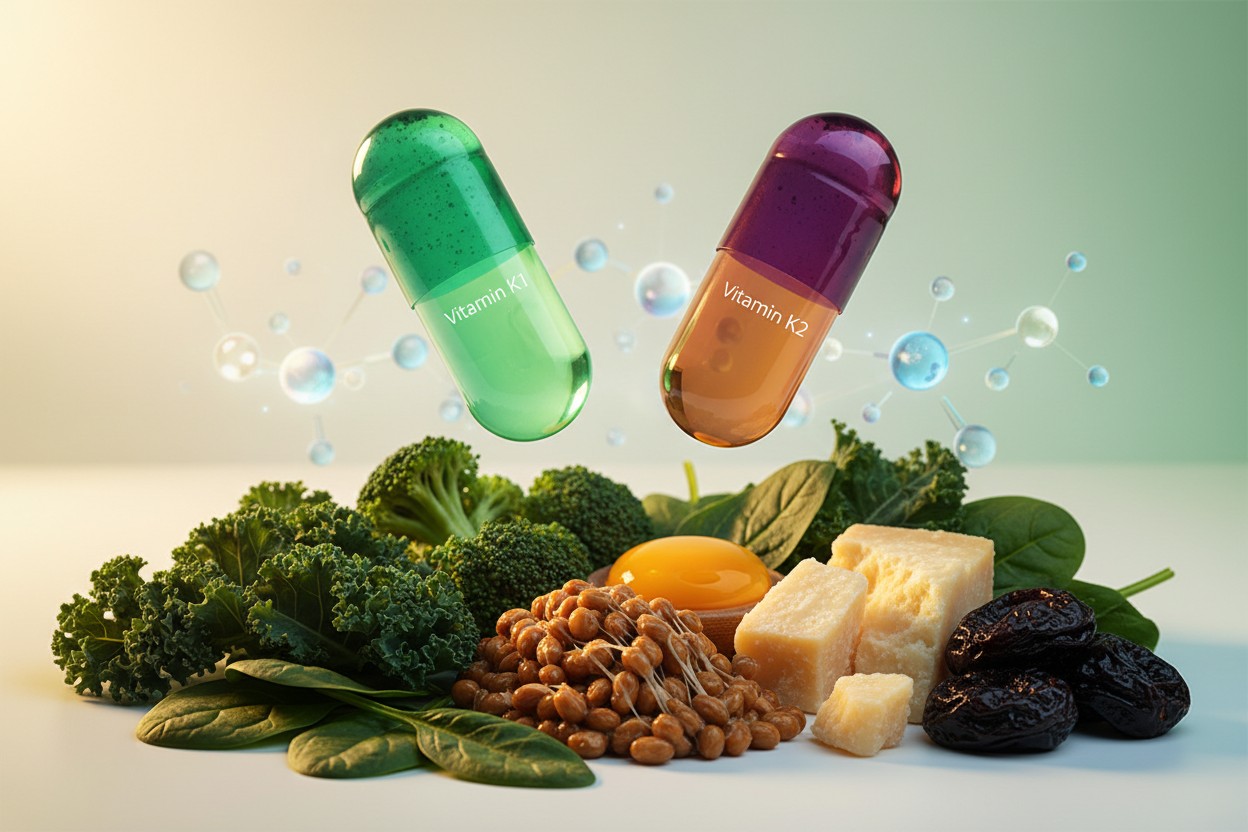
Vitamin K is a fat-soluble vitamin that exists in two main dietary forms: vitamin K1 (phylloquinone) and vitamin K2 (menaquinone) according to research compiled by Food Revolution Network (FRN) [1].
The nutrient was discovered in 1929 by Danish researcher Henrik Dam, who found that chickens fed a fat-free diet developed severe hemorrhages and slow-clotting blood, according to historical accounts cited by FRN [1]. Dam named the compound the “koagulation” vitamin, using the German spelling, or vitamin K for short [1].
According to the same source, vitamin K is primarily involved in blood clotting, bone metabolism and protein building. It works in the liver and other tissues, including the brain, pancreas, heart and skeletal system [1]. Unlike other fat-soluble vitamins, only very small amounts of vitamin K circulate in the blood at any given time, and the body recycles and reuses some of it multiple times [1].
A 2010 study identified the human enzyme UBIAD1, which converts K1 from food into MK-4, a form of K2, directly in human tissues, researchers said [1]. The conversion does not require gut bacteria, according to studies in germ-free animals cited by the same source [1].
What Vitamin K Is and How the Body Uses It
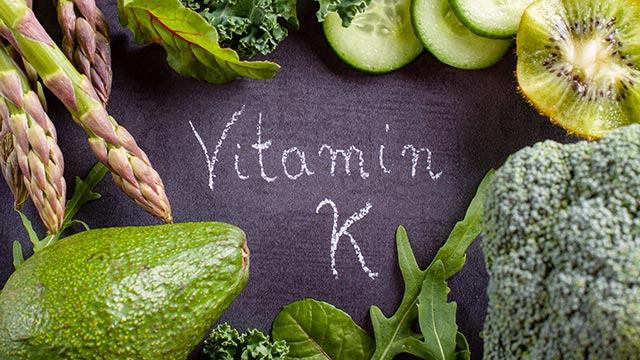
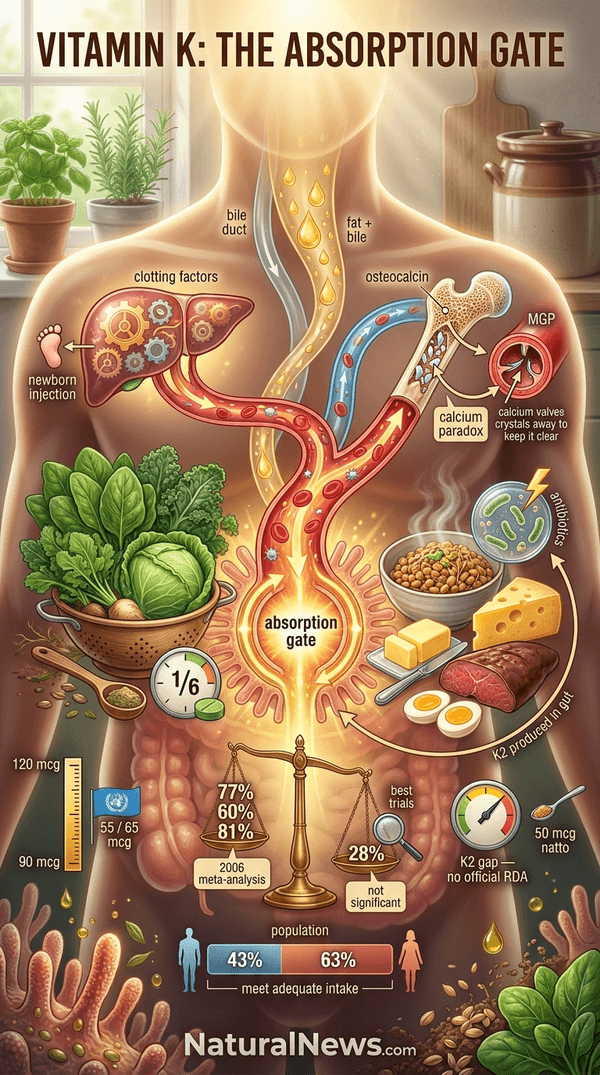
Vitamin K1 is primarily found in leafy green vegetables such as spinach, kale and cabbage, according to FRN [1]. Some research suggests people absorb only a fraction of the vitamin K1 they get from leafy greens compared with a supplement, the same report stated. A small 1999 trial found absorption from raw spinach, lettuce and broccoli was roughly one-sixth that of an equivalent dose in tablet form, according to the source [1].
Vitamin K2 covers a family of related forms, including MK-4 and MK-7 [1]. MK-7 is found in fermented soy foods such as natto, a traditional Japanese dish made from fermented soybeans, and K2 also appears in animal products like butter, beef liver, aged cheese and egg yolks [1].
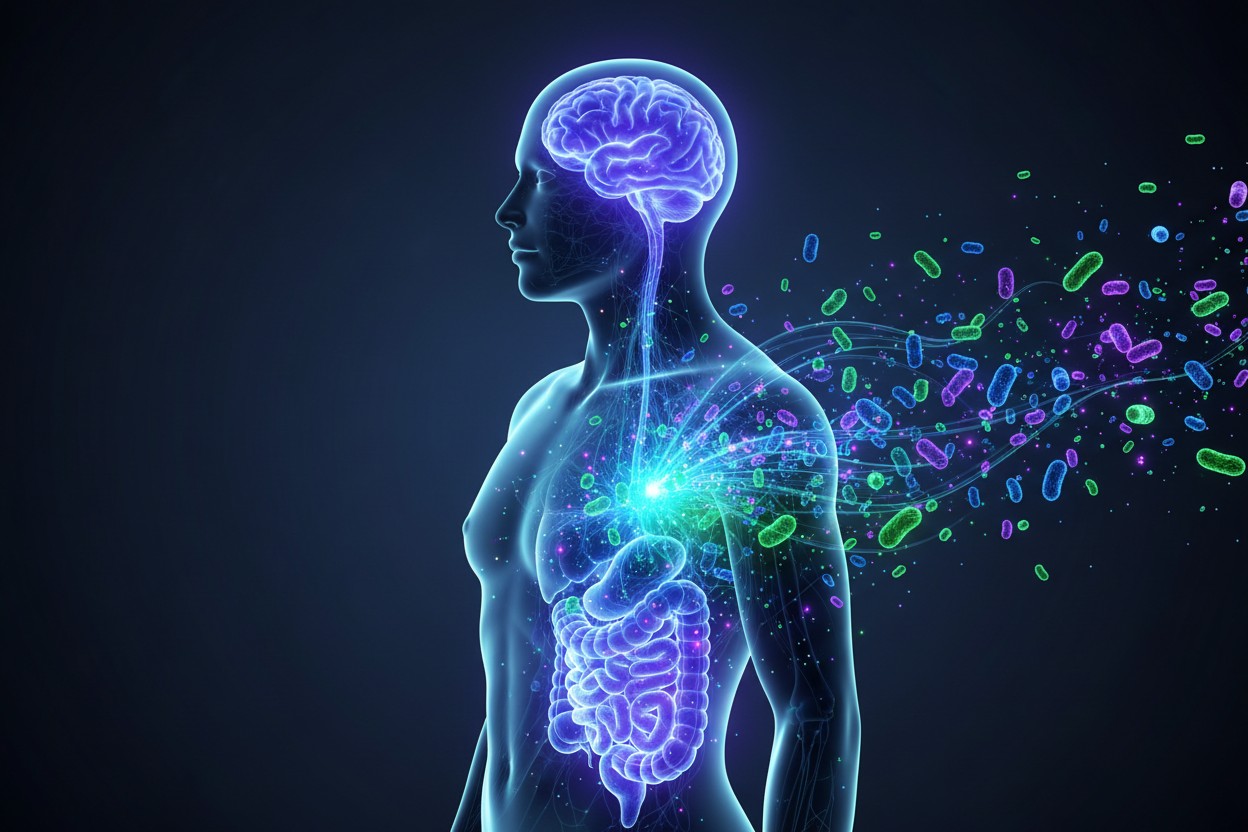
According to research cited by GreenMedInfo, vitamin K2 is typically produced in the large intestine by bacteria, and unless an individual has intestinal damage that undermines their ability to absorb the vitamin, dietary deficiency is extremely rare [2]. Long-term use of broad-spectrum antibiotics may reduce the vitamin-producing bacteria population, the same source stated [2].
Absorption of vitamin K requires dietary fat and bile, according to FRN [1]. Conditions affecting the gut, liver or gallbladder can limit how much the body takes in, and eating some fat alongside leafy greens supports absorption, the report stated [1]. According to a NaturalNews.com report, vitamins D and K are among the nutrients the body synthesizes, with vitamin K produced by gut bacteria [3].
Reported Health Benefits and Evidence
Both vitamin K1 and K2 are involved in blood coagulation [1]. The nutrient is needed to manage proteins involved in blood clotting, and inadequate intake is linked to excessive bleeding from wounds, according to health authorities cited by the same source [1]. Inadequate vitamin K intake also has been linked to an increased risk of osteoporosis, a disease in which bones become soft and porous, and bone fractures, researchers said [1].
A 2006 meta-analysis, mostly of trials of older Japanese adults, reported that a form of vitamin K2 called menaquinone-4 reduced hip fractures by 77%, spinal fractures by 60% and non-spinal fractures by 81% in Japanese trials, according to Food Revolution Network [1]. However, 13 years later, researchers reran the numbers and found a roughly 28% reduction in clinical fracture risk, the report stated. When the analysis was restricted to the best-conducted trials, the effect was no longer statistically significant, and vertebral fractures showed no benefit at all, according to the source [1].
Meanwhile, a 2009 observational study of more than 16,000 women found that those who consumed more vitamin K2 had a lower risk of coronary heart disease [1]. Specifically, every 10-microgram-per-day increase in K2 intake was associated with a 9% lower risk, though the finding sat at the edge of statistical significance, the report stated [1].
A 2008 study published in the American Journal of Clinical Nutrition found that men with a high intake of vitamin K2 had a 63% lower risk for advanced prostate cancer, researchers said [1]. A 2002 review in the Journal of Cellular Physiology stated that K vitamins have been shown to inhibit cell growth, and other studies suggest K2 may support brain health and reduce liver cancer recurrence [4].
How Much Vitamin K Is Recommended
The National Academy of Medicine sets an adequate intake for vitamin K1 from foods at 90 micrograms per day for women and 120 micrograms per day for men [1]. The World Health Organization recommends a lower intake, suggesting an average of 55 micrograms per day for women and 65 micrograms per day for men, the same source stated [1]. According to survey data collected in 2011-2012, only 43% of men and 63% of women reached the adequate intake level, with older men reporting the lowest intakes, officials said [1].
There are no official recommendations for K2 specifically, according to FRN [1]. The report stated that the honest reason is that researchers still do not know how much K2 matters. K2 stays in circulation longer than K1 and reaches bone and blood vessels more readily, which is why it is the form studied for those tissues [1].
The closest guidance comes from cohort studies linking K2 intake to cardiovascular health [1]. Participants in those studies took in an average of about 30 micrograms of K2 per day, which describes what people ate rather than a recommendation, researchers said [1].
A single teaspoon of natto provides 50 micrograms of vitamin K2, the report stated [1]. According to a NaturalNews.com report, a medium cucumber with peel provides over 41% of the daily value for vitamin K [5].
Food Sources, Deficiency and Supplement Considerations
Vitamin K1 sources include leafy greens, cruciferous vegetables, asparagus, prunes, peas, parsley and scallions, according to FRN [1]. According to a NaturalNews.com report, registered dietitian Nichola Ludlam-Raine stated that “most people could benefit from including more asparagus as it is low in calories and provides fiber, folate, vitamin K and a range of antioxidant compounds” [6].
Plant-based K2 sources include natto, tempeh, sauerkraut, kimchi and fermented pickles, according to the source article [1]. Animal products such as butter, egg yolks, organ meats and high-fat dairy also contain K2, more so if they are grass-fed or pasture-raised, the report stated [1].
References
- Food Revolution Network. “Vitamin K: Benefits, Best Food Sources & How Much You Need”. Food Revolution Network.
- GreenMedInfo.com. “Vitamin K The Missing link”. GreenMedInfo.com.
- NaturalNews.com. “A short introduction to vitamin K deficiency”. NaturalNews.com. March 13, 2019.
- Brian I. Carr, Ziqiu Wang, and Siddhartha Kar. “K Vitamins, PTP Antagonism, and Cell Growth Arrest”. Journal of Cellular Physiology. 2002.
- NaturalNews.com. “Cucumbers Provide Hydration, Nutrients and Potential Health Benefits, Research Shows”. NaturalNews.com. August 24,
- NaturalNews.com. “Asparagus: The Superfood with Proven Health Benefits That Mainstream Nutrition Overlooks”. NaturalNews.com. June 28, 2026.
Explainer Infographic
Submit a correction >>
Tagged Under:
#nutrition, alternative medicine, blood health, bone health, coagulation, fat soluble vitamin, food cures, food science, gut health, gut microbiome, health science, Heart, heart disease, heart health, immune system, longevity, men's health, menaquinone, natural health, Nutrient, nutrient deficiency, nutrients, phylloquinone, phytonutrients, reverse heart disease, supplements, Vitamin K, vitamin K1, vitamin K2, women's health
This article may contain statements that reflect the opinion of the author
RECENT NEWS & ARTICLES