The silent guardian: How a trace mineral forges our frontline defense
01/19/2026 / By Ava Grace
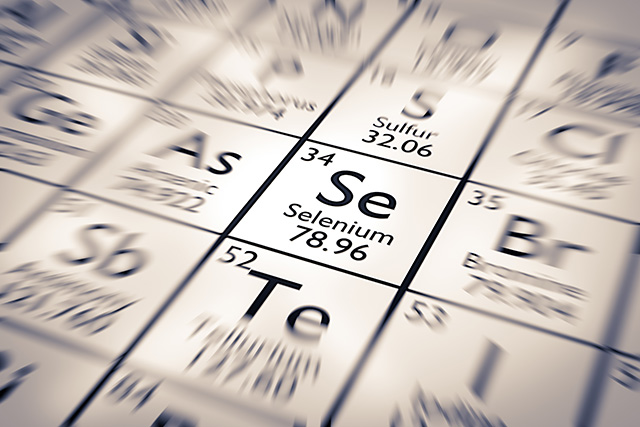
- Selenium is a trace mineral essential for life, primarily functioning as a key component of selenoproteins, which are powerful antioxidant enzymes like glutathione peroxidase that protect cells from oxidative damage.
- It is vital for thyroid health, as selenoproteins are required to activate thyroid hormones (converting T4 to T3), making it crucial for regulating metabolism, energy and growth.
- Selenium deficiency, while geographically dependent, can lead to serious health issues including Keshan disease (a cardiomyopathy), a weakened immune system, cognitive decline, and thyroid dysfunction that mimics hypothyroidism.
- Food sources like Brazil nuts, seafood, organ meats, and eggs provide selenium, but the content varies depending on the soil. The line between sufficiency and excess is narrow; over-supplementation can cause selenosis (toxicity), so intake should primarily come from a varied diet.
- Selenium works best within a holistic health framework, supported by other antioxidants (like vitamins C and E), adequate iodine and iron for thyroid function and lifestyle factors such as stress management and sleep to reduce overall oxidative stress.
In the intricate landscape of human nutrition, where macronutrients often dominate the conversation, a class of silent guardians operates with profound influence. Among them is selenium, a trace mineral that, despite being needed in minute quantities, is indispensable for life.
Its discovery as an essential element in 1957 unveiled a cornerstone of cellular protection and metabolic harmony, a revelation that grows more critical in a modern world rife with environmental and dietary stressors. Understanding selenium is not merely an academic exercise; it is a key to unlocking a fundamental layer of the body’s resilience.
“A trace mineral is an essential element present in the human body in very small quantities, specifically less than 0.01 percent of total body weight,” said BrightU.AI‘s Enoch. “Examples include selenium, chromium, copper, iodine, iron and zinc. Despite their minute amounts, they are crucial for various vital physiological functions and overall health.”
The biochemical sentinel
Selenium’s primary role within the body is as a constituent of selenoproteins, a family of powerful enzymes. The most celebrated of these is glutathione peroxidase, a master antioxidant. This enzyme systematically neutralizes harmful hydrogen peroxide and lipid hydroperoxides, byproducts of normal metabolism that can damage cells and DNA if left unchecked. In this capacity, selenium functions as a cellular sentinel, mitigating oxidative stress that is linked to chronic inflammation, accelerated aging and the initiation of various diseases. It is a foundational component of the body’s internal antioxidant network.
A partner in metabolic regulation
Beyond its antioxidant duties, selenium is integral to thyroid health. The thyroid gland, which regulates metabolism, growth and energy levels, contains the highest concentration of selenium per gram of tissue in the body. Selenium is crucial for the enzymes that activate and deactivate thyroid hormones. Specifically, iodothyronine deiodinases are selenoproteins that convert the storage hormone T4 into the active T3, ensuring the thyroid system functions with precision. Without adequate selenium, this delicate conversion process falters, potentially leading to metabolic imbalances.
Consequences of a deficiency
Selenium deficiency, while rare in regions with selenium-rich soil, poses significant health risks. The most severe manifestation is Keshan disease, a potentially fatal cardiomyopathy first identified in the 1930s in a selenium-poor region of China. This historical context underscores the mineral’s life-sustaining importance. In less acute forms, deficiency can present through a compromised immune response, increased susceptibility to infections and cognitive decline. Crucially, it can exacerbate or mimic thyroid disorders, such as hypothyroidism, leading to symptoms like fatigue, unexplained weight gain and mental fog. In men, selenium deficiency has also been linked to impaired fertility.
Dietary wellsprings of selenium
The selenium content in food is directly related to the selenium content of the soil where plants are grown or animals are raised. This geographic variability makes sourcing key. The most concentrated source is the Brazil nut; a single nut can provide more than the daily recommended intake, necessitating cautious consumption to avoid excess. Seafood—particularly tuna, halibut, sardines and shrimp—is an excellent and consistent source. Organ meats, such as liver and kidney, poultry, eggs and grains like brown rice and sunflower seeds also contribute meaningfully. For most individuals, a varied diet incorporating these foods maintains adequate selenium status.
Navigating supplementation and excess
The line between sufficiency and excess for selenium is narrow, highlighting the importance of obtaining it primarily from food. The recommended dietary allowance for adults is 55 micrograms daily. Chronic high intake, often from uncontrolled supplementation, can lead to selenosis, characterized by gastrointestinal upset, hair loss, white spotted nails and mild nerve damage. This risk reinforces the principle that with trace minerals, more is not better. Supplementation should only be considered under medical guidance, typically for individuals with diagnosed deficiencies or specific gastrointestinal disorders that impair absorption.
Lifestyle synergies and holistic support
While there is no direct substitute for selenium’s unique biochemical roles, a holistic lifestyle supports the systems it protects. Consuming a spectrum of other antioxidants—vitamins C and E, and polyphenols from colorful fruits and vegetables—creates a complementary defense network against oxidative stress. For thyroid health, ensuring adequate iodine and iron intake is equally critical. Managing chronic stress and prioritizing sleep further reduce systemic oxidative load, thereby supporting the very physiological processes where selenium is most active. The mineral works best not in isolation, but as part of a concerted approach to wellness.
This story is not medical advice and is not intended to treat or cure any disease. Always consult with a qualified naturopathic physician for personalized advice about your specific health situation or concern.
Visit NaturalNews.com, a great article source where you can learn about superfoods and their health benefits.
You can also try BrightU.AI, an AI model created by Mike Adams, also known as the Health Ranger. This model is available as a free download to be run locally and is designed to help share and decentralize knowledge. By doing so, it aims to bypass censorship and empower people with knowledge.
If you’re looking for an uncensored video free speech website where you can openly discuss nutrition, natural medicine, ingredients and more, check out Brighteon.com and our two free speech social media sites, Brighteon.IO and Brighteon.social.
Watch and discover food rich in selenium.
This video is from the Exclusively Holistic channel on Brighteon.com.
Sources include:
Submit a correction >>
Tagged Under:
#nutrition, antioxidants, food science, health science, immune system, mineral, natural health, nutrients, selenium, supplements
This article may contain statements that reflect the opinion of the author
RECENT NEWS & ARTICLES